> For the complete documentation index, see [llms.txt](https://en-ascent.webvista.studio/llms.txt). Markdown versions of documentation pages are available by appending `.md` to page URLs; this page is available as [Markdown](https://en-ascent.webvista.studio/sections/collection-thumbnails.md).
# Collection thumbnails
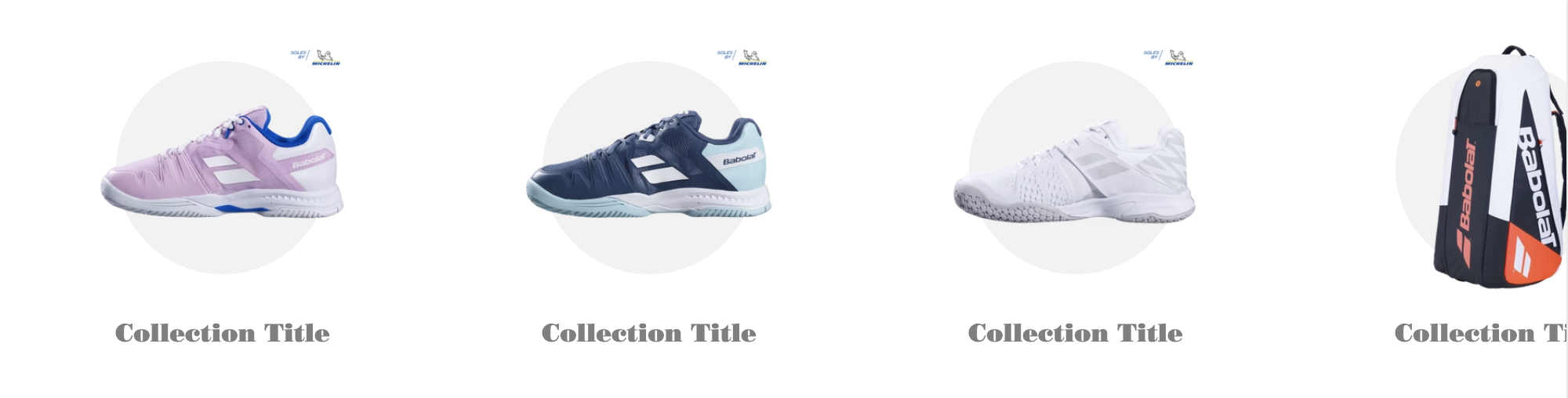
The **Category Icon List** feature is designed to display multiple product categories on a page, each with an icon and a name. This functionality helps users quickly browse and navigate to the product categories they are interested in.
### Feature Details
1. **Adapt for transparent image**
If the collection image has a transparent background, it is recommended to enable this option for optimal display.
2. **Layout Style**:
You can choose the layout style for the Category Icon List:
* **Horizontal**: Arrange all category icons and titles horizontally. This layout is suitable for a landscape orientation.
* **Vertical**: Arrange all category icons and titles vertically. This layout is suitable for a portrait orientation.
3. **Icon Block Settings**:
Each icon block represents a product category. For each category, you can set the following:
* **Image**: Upload an image for the product category. This is often used to showcase featured products within that category.
* **Select Product Series**: Choose a product series from existing ones to serve as the content source for the category.
* **Custom Series Title**: Optionally, set a custom title for the product series, which will be displayed below the icon.
### **Usage Suggestions**
* **Clear Navigation**:Use the category icon list to help users quickly identify and navigate to their desired product categories. Ensure that icons and titles are clear and easily understandable for users.
* **Consistent Style**:Maintain consistency in the color scheme and icon style to enhance brand image and user experience.
* **Regular Updates**:Update category icons and product series content according to product updates or promotional events to keep the content fresh and relevant.